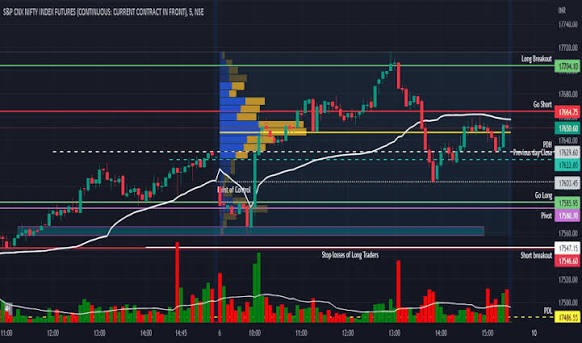
Option trading needs timely data, clear tools and disciplined execution. Prices can change in seconds. A small delay can impact entry, exit or risk control. This is where a Trading App with real time market data can help traders track the option contracts with better clarity.
A demat account app has also been instrumental. It brings together market access, holdings, funds, reports and order placement in one place. This setup provides a simple and structured way for option traders.
What is an Options Trading Application?
An option trading app allows traders to buy and sell option contracts through mobile or web-based platforms. These contracts are based on assets such as indices or shares. In India, the options are mainly traded through the exchanges such as NSE and BSE.
A Trading App generally displays live prices, option chains, charts, market depth, order types, margin details and portfolio reports. These features enable traders to analyse price movement before placing a trade.
Why Real-Time Market Data Is Important
Options are affected by price changes, time, volatility and market sentiment. Real-time data gives traders the current bid, ask, volume, open interest and last traded price. This can help them avoid decisions based on stale numbers.”
For example, if a trader is tracking a Nifty option contract, the premium can move fast during market hours. The live data allows the trader to verify if the contract has sufficient volume and if the price is close to the desired level.
Features to Look For
A good Trading App needs a clean option chain. This is helpful for traders to compare strike prices, premiums, open interest and volume. Charts should be simple to interpret. It should be easy to place an order.
Risk tools are important too. Traders should be able to see the margin requirements before executing a trade. They should also be able to see real time profit/loss and open positions.
Contract notes, ledger details, fund transfer options and reports are a must in a demat account app. These records enable traders to keep organised and review their activity.
A Step-by-Step Guide to Using an Options Trading App
- Open a demat and trading account with a registered broker. KYC done with valid documents. These may include PAN, Aadhaar, bank details and income proof depending on the segment.
- Turn on the derivatives section Options are risky so brokers might ask you to provide proof of income.
- Deposit to the trading account. Before placing any order, check margin rules.
- Open the option chain in Trading App. Choose index or stock, expiry date and strike price.
- Review the contract. Check the premium, volume, open interest, bid price, ask price.
- Get it delivered. Specify quantity, price type and order type. Review all details before you confirm.
- Monitor the location. Manage risk with alerts, stop-loss orders and reports.
How Bajaj Broking Stands Out
Bajaj Broking provides a demat and trading platform for equity, derivatives, mutual funds and other market-linked products. For traders who want one platform for market access, reports and order placement, Bajaj Broking can be considered.
Its platform is ideal for those who want to handle a demat account app and trading activity on a single interface. It allows traders to watch markets, place trades and check account information. Like any broker, readers should check charges, features, risk disclosures and service terms before opening an account.
Safety Tips for Options Traders
Market risk exists in option trading. Traders should not trade just because the price looks cheap. A low premium can quickly lose value.
It is also important to know expiry, time decay, volatility and margin rules. Use small quantities while you learn the performance of each order type.
SEBI also advises investors to be aware, check documents and understand risks before investing in securities markets.
Avoid These Common Pitfalls
Many traders get into options without a plan. That can result in quick losses. A trade should have a defined entry price, defined exit price and defined risk.
Another error is failing to notice liquidity. Contracts with low volume can have a wide bid-ask spread. This may increase the cost of trading.
Some traders also hold options until expiration without understanding time decay. If the price doesn’t move as expected, option premiums can drop rapidly as expiration approaches.
Conclusion
A real-time market data enabled option Trading App helps you to track faster, analyse clearer and execute structured. A demat account app gives access to account, reports, and fund management in one place. If you are looking for a platform for trading and demat services then you could go with Bajaj Broking. Still, option trading needs care, planning and risk control. Traders should learn the basics before trading live.
Sources
- SEBI Investor Charter: https://investor.sebi.gov.in/Investor-charter.html
- NSE Market Data: https://www.nseindia.com/market-data/live-equity-market
- NSE Real-Time Data Information: https://www.nseindia.com/static/market-data/real-time-data-subscription
- Bajaj Broking: https://www.bajajbroking.in/
About the Author